Nurture Right 360 Incubator
Nurture Right 360 Incubator: Respected, mid-size table top chicken egg incubator with plenty of pros and possibly a few cons. Many chicken owners love this easy-to-use, semi-automatic incubator.
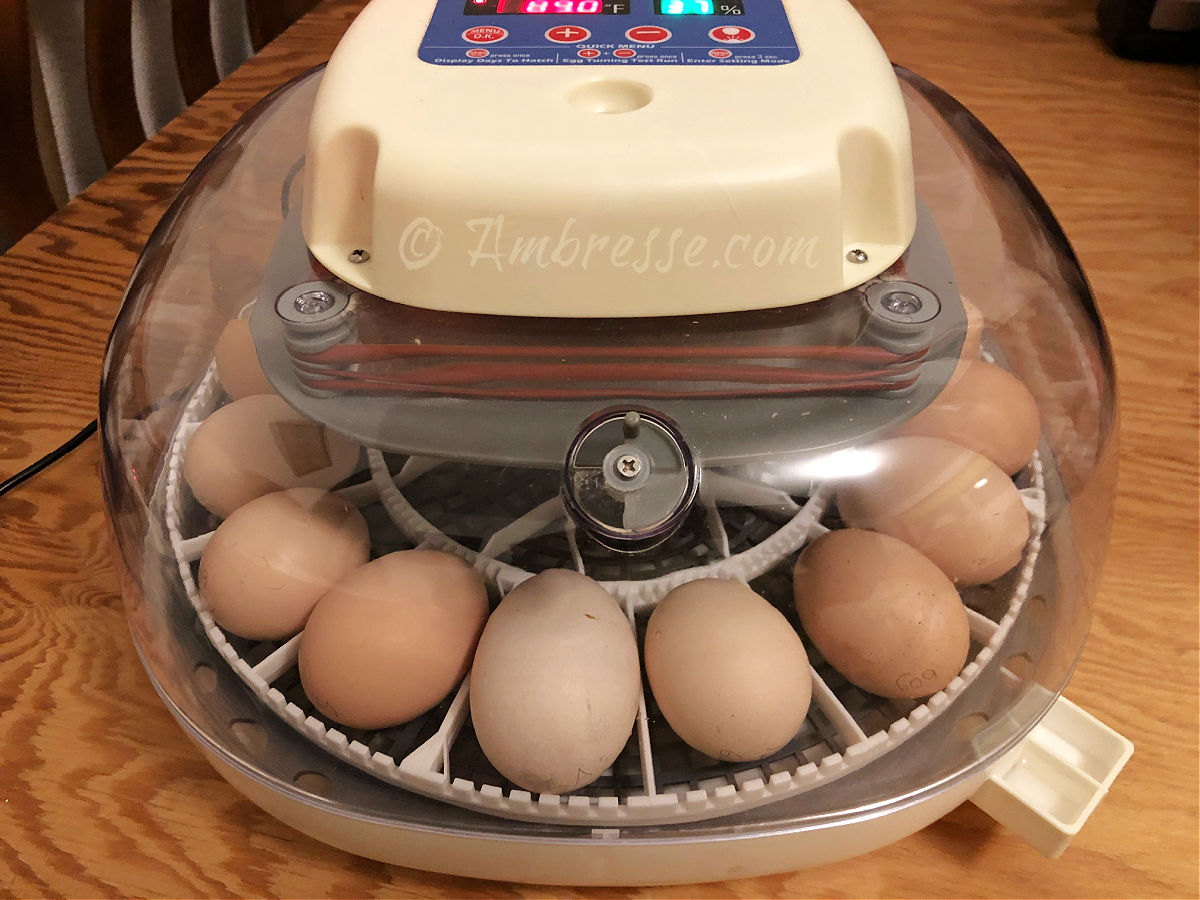 The only thing more beautiful than a loaded incubator is one that is full of fluffy chicks!
The Nurture Right 360 avian incubator is a tabletop incubator that holds up to 22 eggs. It is round, because the eggs sit in a round frame, which pivots around a central point just enough per turn to roll the eggs over approximately from top to bottom.
Temperature control is completely automated. The accuracy of the temperature is, of course, dependent upon the accuracy of the sensor. From online comments, it is clear that some NR360 temperature sensors may be either faulty or not set correctly. Please note that this will be true of any brand of incubator with automated temperature control.
Note: My copy of the NR 360 needed the temperature adjusted upwards by more than one degree Fahrenheit in order to achieve a decent hatch rate.
Humidity levels are not automated; they must be manually controlled by balancing the amount of water in the humidity tank and the aperture of the air vent in the lid.
Nurture Right 360 Incubator Set Up
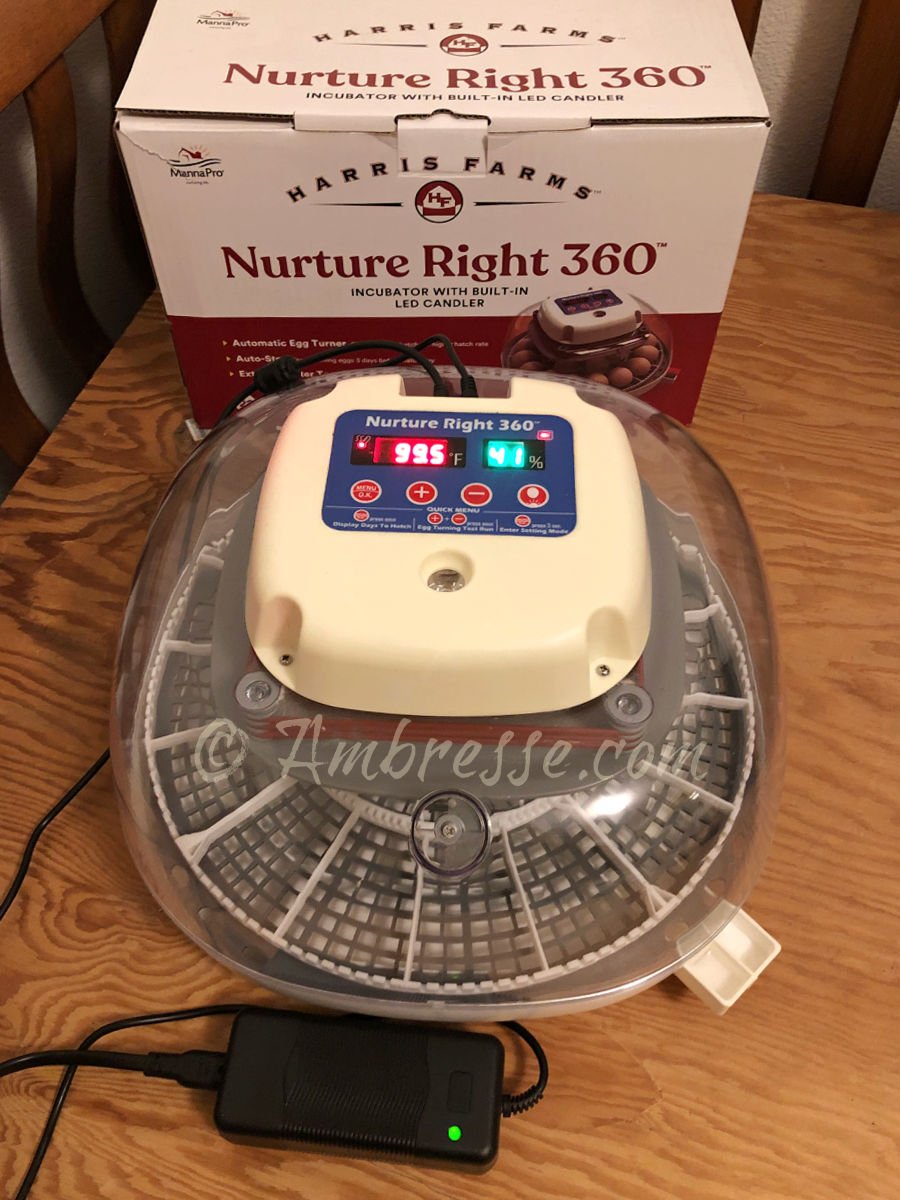 Second-hand copy of a Nurture Right 360 in excellent condition, but missing the red cap for a water reservoir.
Online reviews of the NR360 were decidedly mixed, so I purchased a gently used machine so I could put it through its paces and see for myself whether there were any true problems with the machine, or whether the problem was more likely operator error.
I loaded the Nurture Right 360 with 16 eggs (capacity is 22). Here is how the NR 360 performed.
The temperature for the NR360 is pre-set to 99.5F which is ideal for chicken eggs. This number can be changed by entering the command module and making changes.
The product manual recommends a humidity value of approximately 50%, and the controls are manual. That is, with a combination of the water level in the water reservoir and adjustments of the air vent opening, the design of the NR360 is meant to ensure a humidity value between 48% and 55%, according to the Nurture Right 360 Incubator instructions.
Additionally, the air vent opening should be open a minimum of 25% in order to permit the eggs to breathe sufficiently.
I live in the already damp Pacific Northwest not far from some of the wettest climates on the planet. So it turns out that on the North Olympic Peninsula where I live, the vent needs to be open more than 50% so that excess humidity in the incubator can escape. This may not be the case if you live in bone-dry climates such as Arizona.
Curiously: My preferred humidity level when I utilize the Brinsea 56 EX is 45%. I'm not sure why the NR 360 incubator instructions suggest a minimum of 48%. Perhaps this is due to incubator design. Because I was new to this machine, I followed their recommendations closely.
Hydrogen Peroxide in the Incubator Water
The Problem: Twenty-one days of "warm and moist" inside any chicken egg incubator can result in the build up of pathogenic germs that can infect and kill chicken embryos. If you've hatched more than one or two clutches of chicks you may have noticed that the first couple hatches in the same incubator do well, and then the hatch percentages begin to seriously drop. The cause may be contamination of the eggs by bacteria.
There is a fix for this: Add 3% hydrogen peroxide to the incubator water.
Hydrogen peroxide kills germs through oxidation. It is also cheap. Add it to water at a ratio of approximately 1:5, more or less. For example, add 3 ounces of 3% hydrogen peroxide to 15 ounces of water, then pour from this mix into the incubator wells. This solution kills germs, preventing their build up in the warm and moist incubator environment.
If your experience is like mine, your hatch rate will return to 100%, or nearly so.
Loading the Eggs into the NR 360
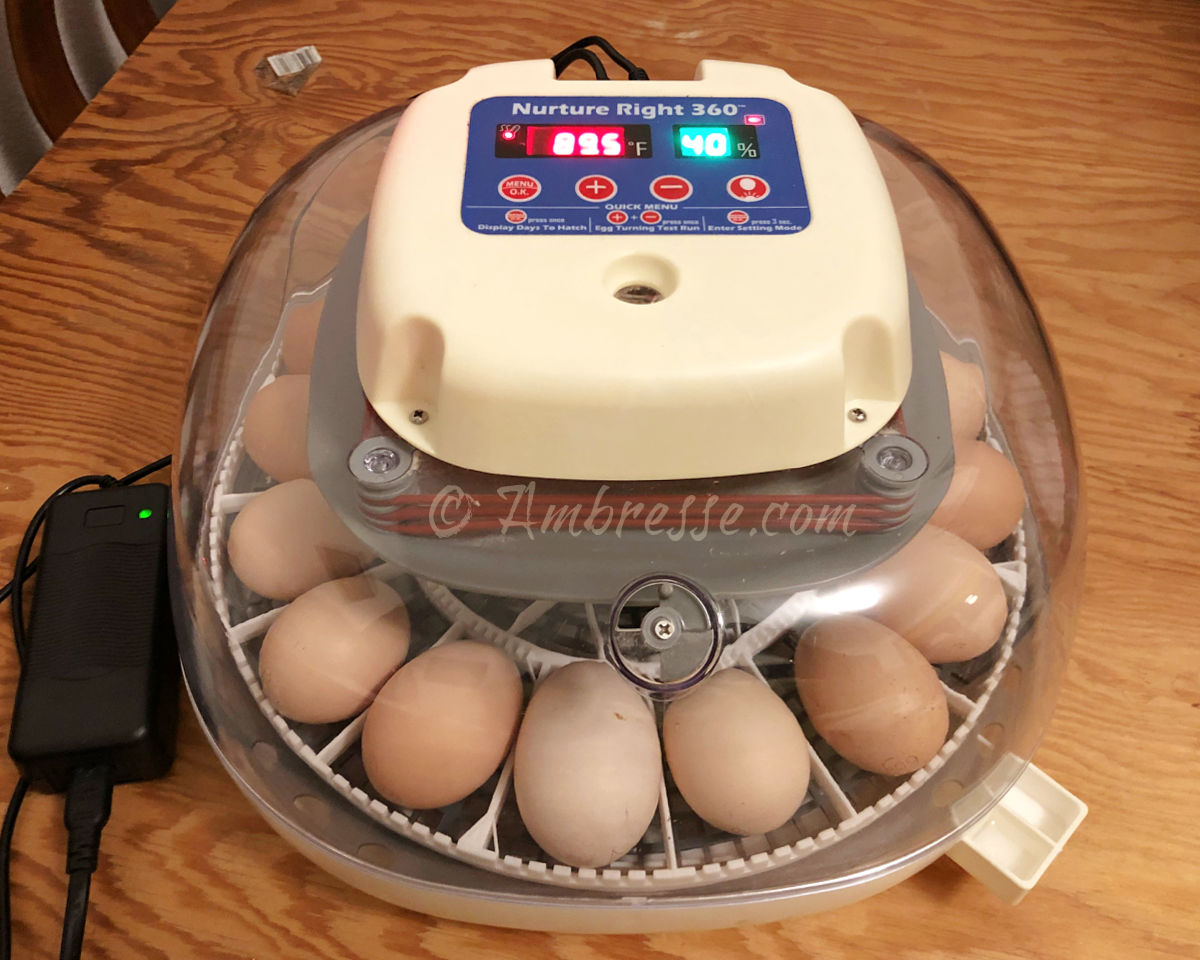
Right off the bat I discovered that the machine has a very loud alarm.
After getting the incubator fired up and up to temperature, I tested the turning mechanism a few times as recommended. It worked perfectly. So I loaded the eggs into the machine. The eggs were cold (60F). The 99.5F temperature in the incubator dropped because of the cold eggs.
The machine was very unhappy. The alarm startled me, and I yanked the plug out to disable it. I plugged it in again, and by then, the incubator was much happier.
Word to the Wise: Put the eggs in a room-temperature incubator and let both the eggs and the machine warm up together.
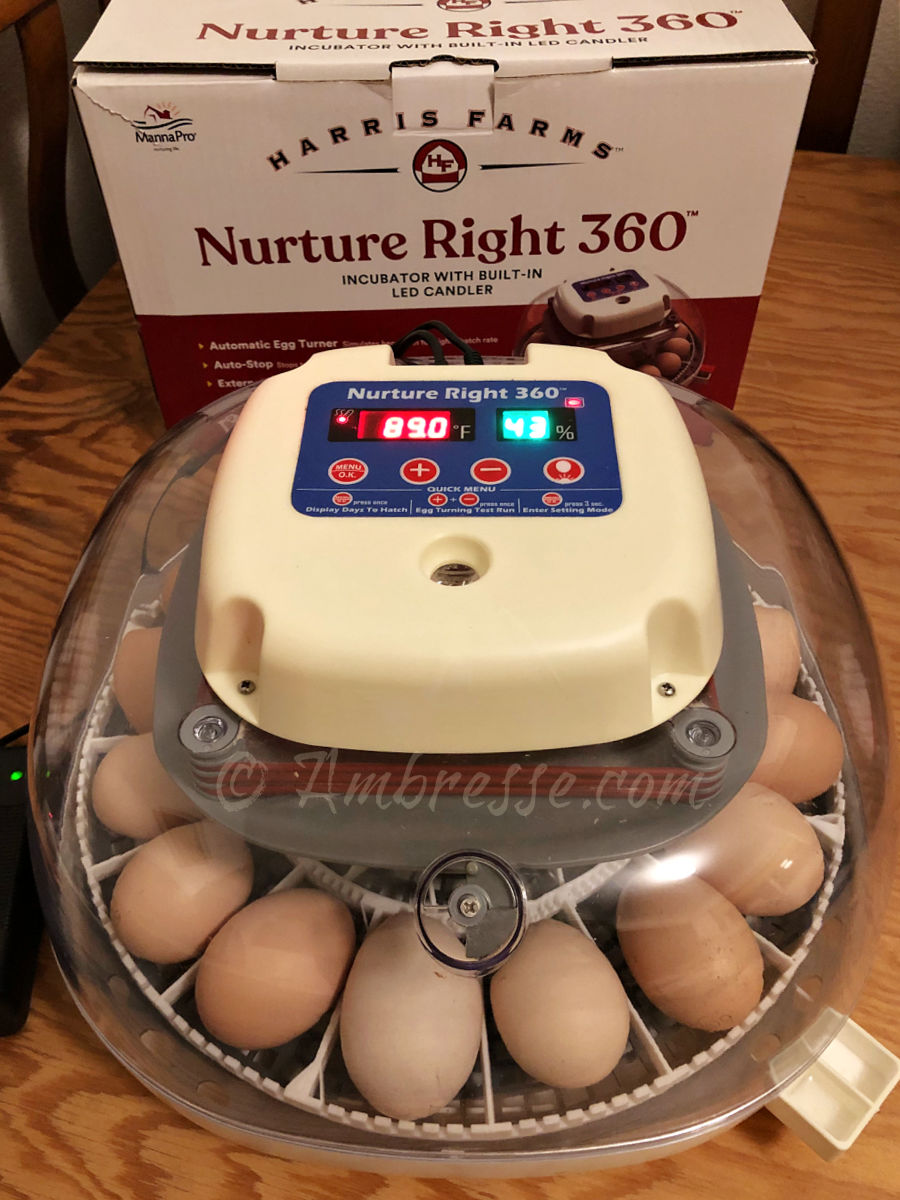
Once the temperature and humidity are at their assigned levels, the red operating indicator in the top left of the display blinks steadily. After having been jolted by the alarm, the blinking light felt more like a warning than an "all-is-well" signal.
So back to the instruction sheet - sure enough, the blinky light means everything is operating as it should.
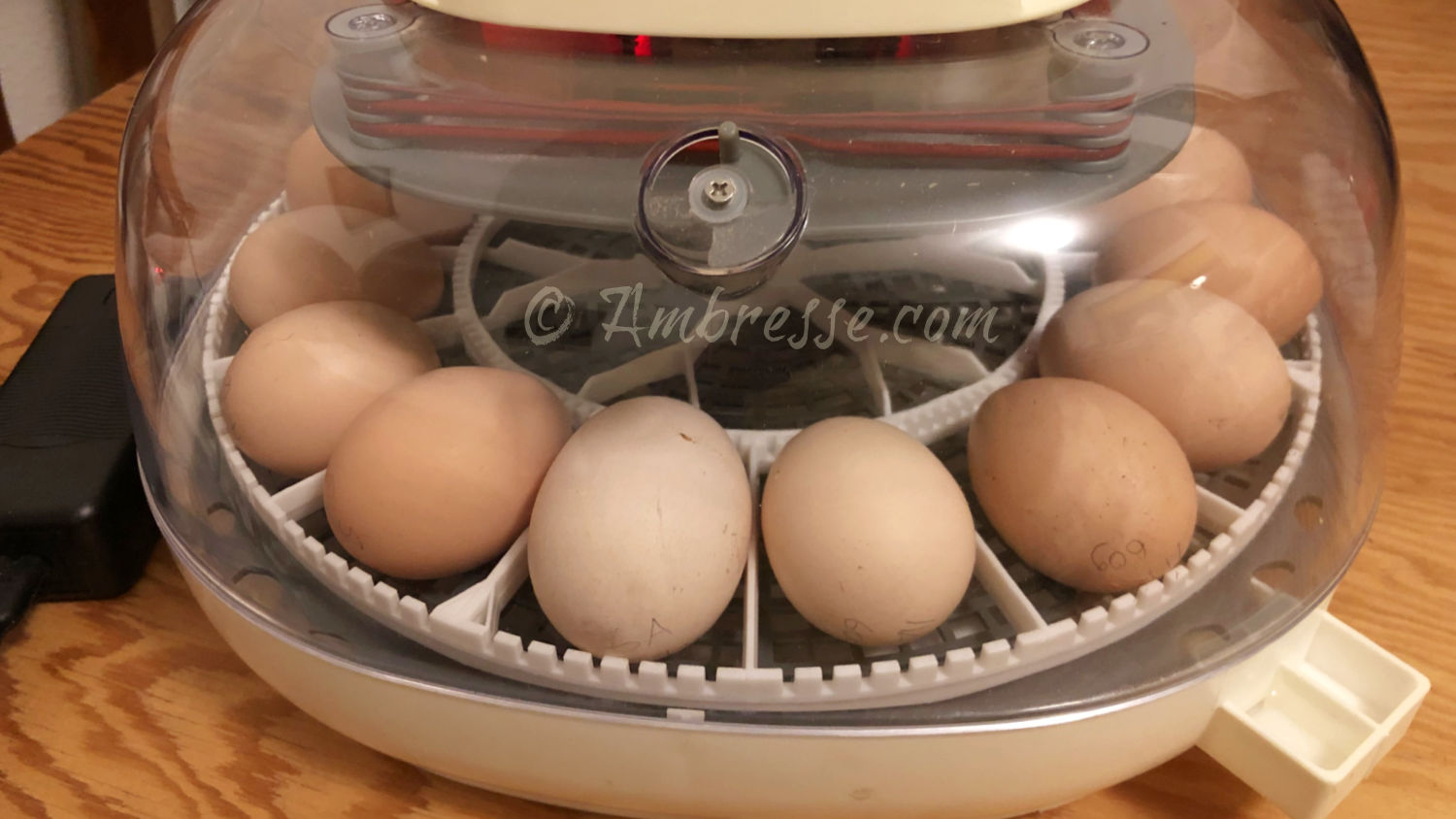 Ports for adding water are in front and at the right of the cream-colored base. You can see the water in the left port. The right one is reserved for lockdown and hatch.
The 21-day incubation period went by uneventfully. The water level dropped a few times, along with the humidity, but this was rectified promptly.
I candle on days 7, 14, and 18. All the eggs were developing on day 7, but there were losses on days 14 and 18.
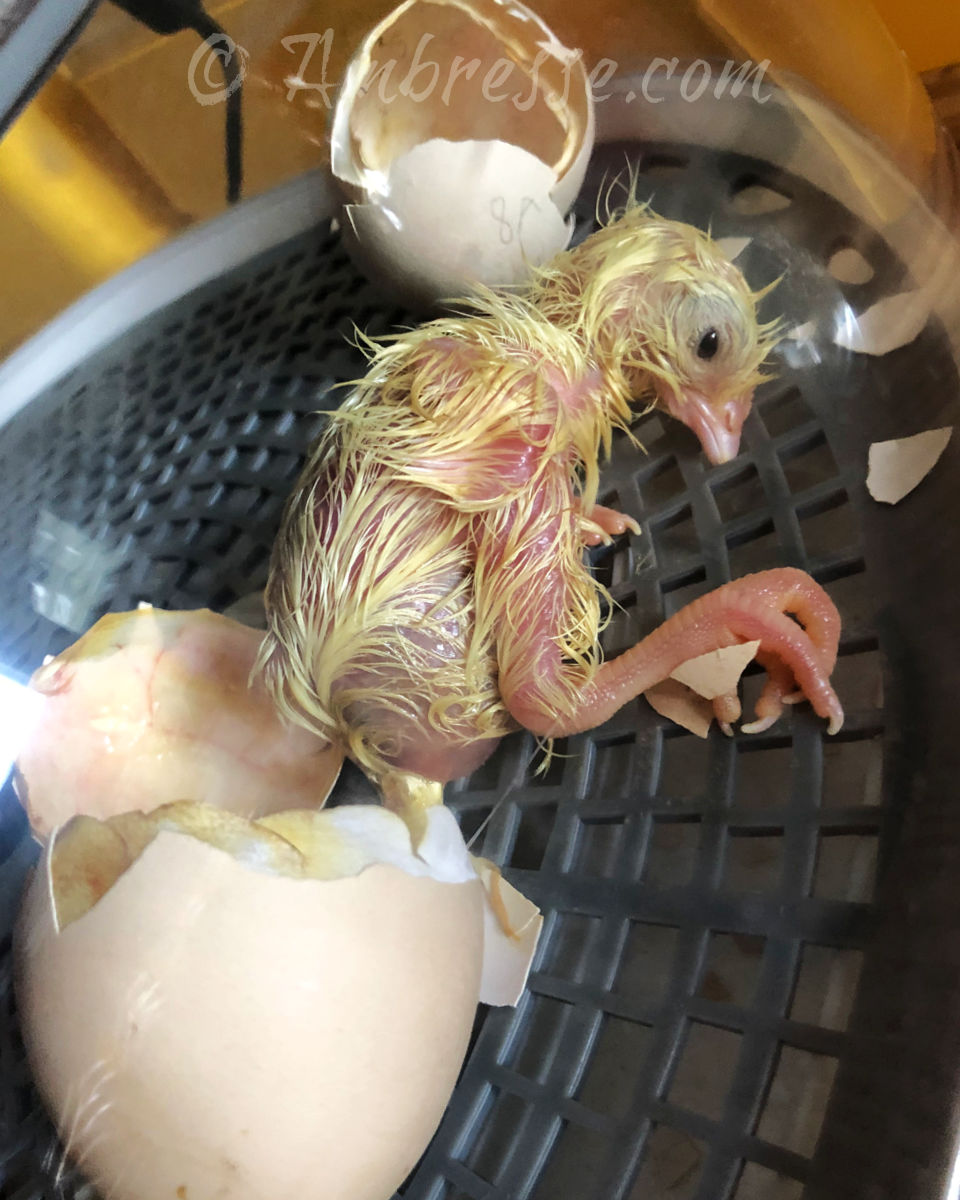 Yay, the last egg hatched! Beautiful white American Bresse chickling.
The Hatch
Just 7 eggs made it to lockdown (day 18), but all 7 of these eggs hatched on day 21. Pictured is a just-hatched and still very wet chick. Look at those legs!
A hatch rate of 7 out of 16, or 44%, should be explored, as this incubator should be efficient enough to give a hatch rate greater than 90%.
In the case of my second-hand incubator, the temperature control was inaccurate. It needed to be reset upward with the help of several thermometers (both analog and digital).
From Incubator to Brooder
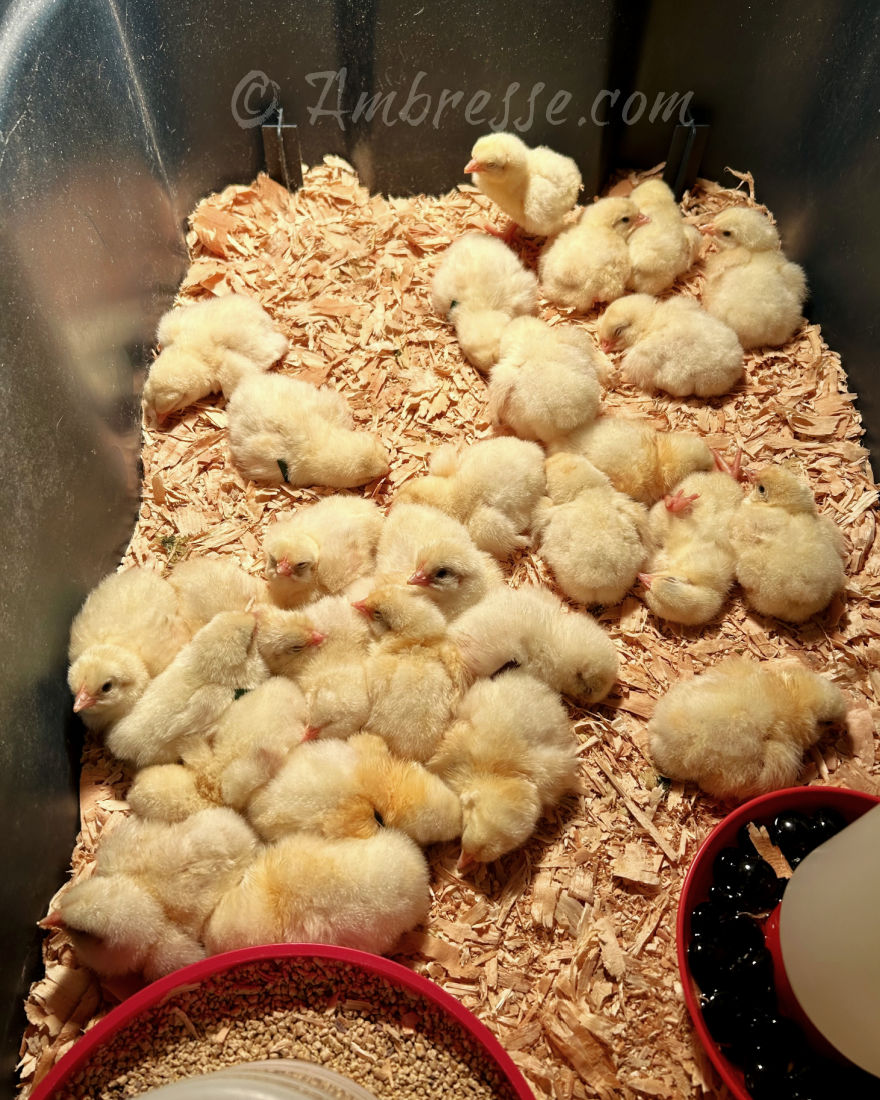
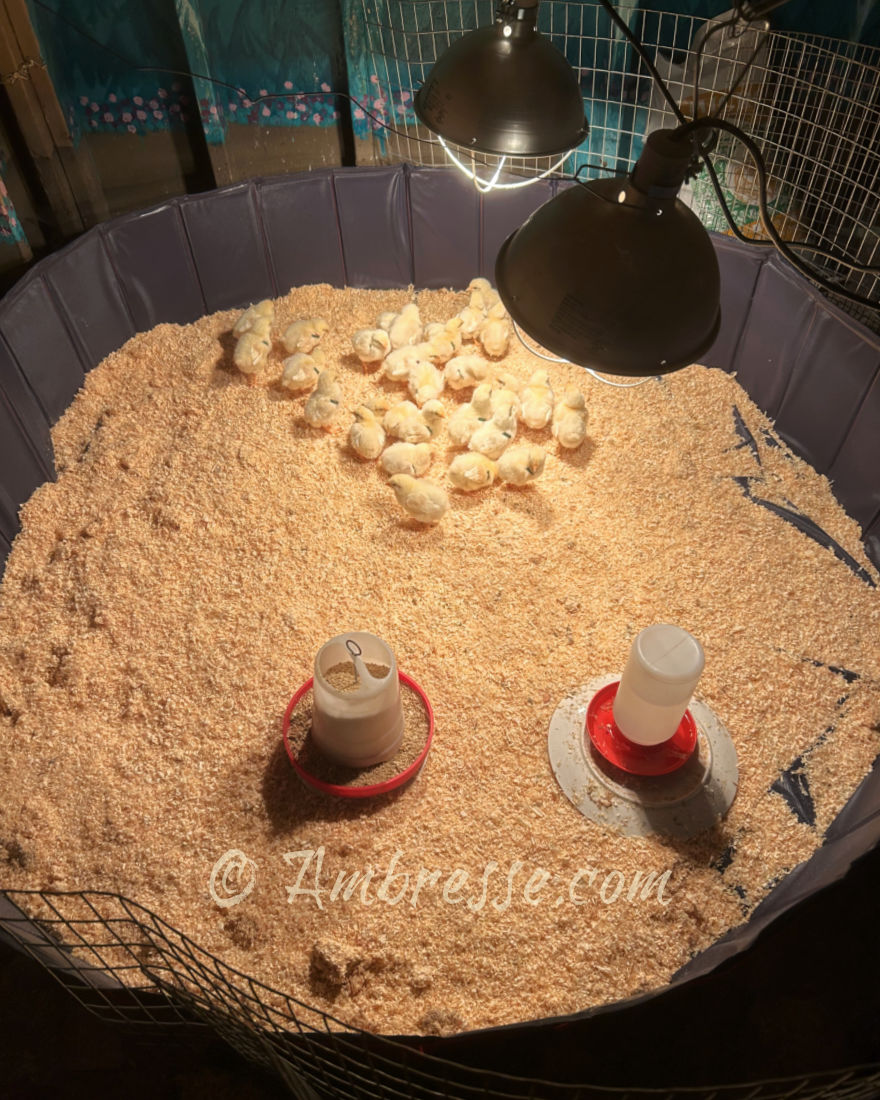
At Ambresse Acres, a plastic bin near the incubator serves as a brooder for the 24 - 30 hours it usually takes for the hatch to complete. Once all eggs have hatched, we move the chicks to a large bin or animal pool in our brooder room.
After the Hatch
Clean the Nurture Right 360 Incubator
Cleaning the incubator is an essential step for successful incubating, including with the Nurture Right 360 Incubator. The NR 360 is very easy to dismantle and clean.
After lifting off the top of the unit, dismantling the incubator is very uncomplicated. You will have already removed the white egg turner ring in order to place the eggs into lockdown.
Under the white turner ring is the gray platform that sits atop the base of the incubator with its water wells. This gray grill easily and simply lifts up and out.
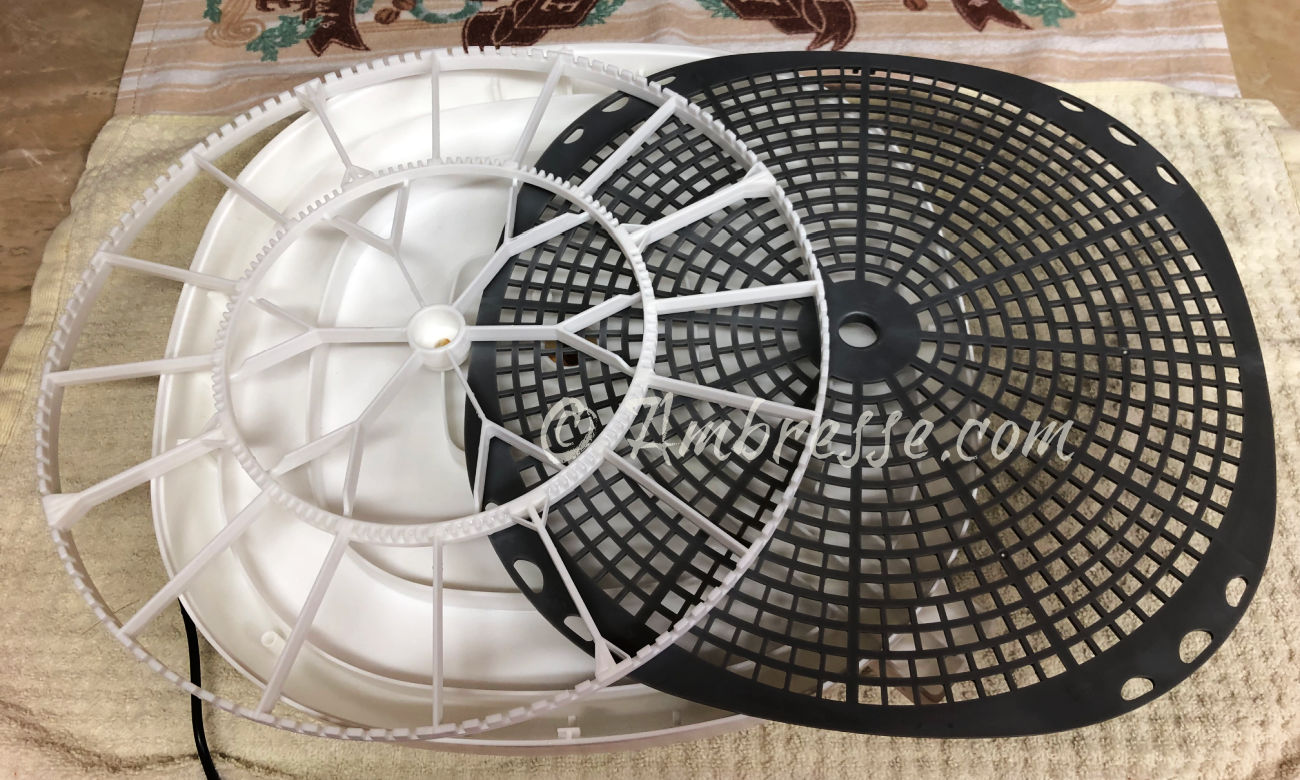 The white turner ring, the gray platform, and the cream colored incubator base have been washed.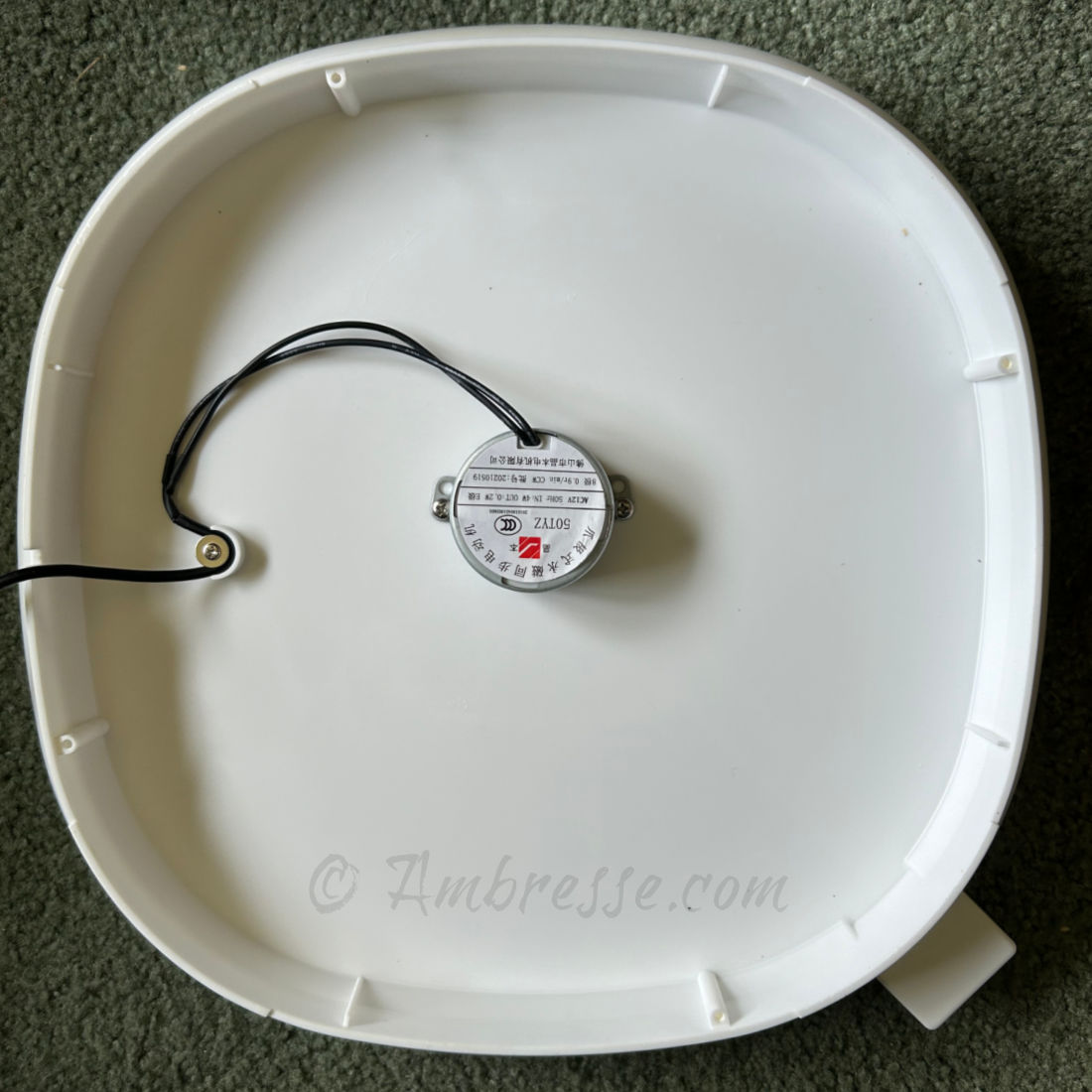
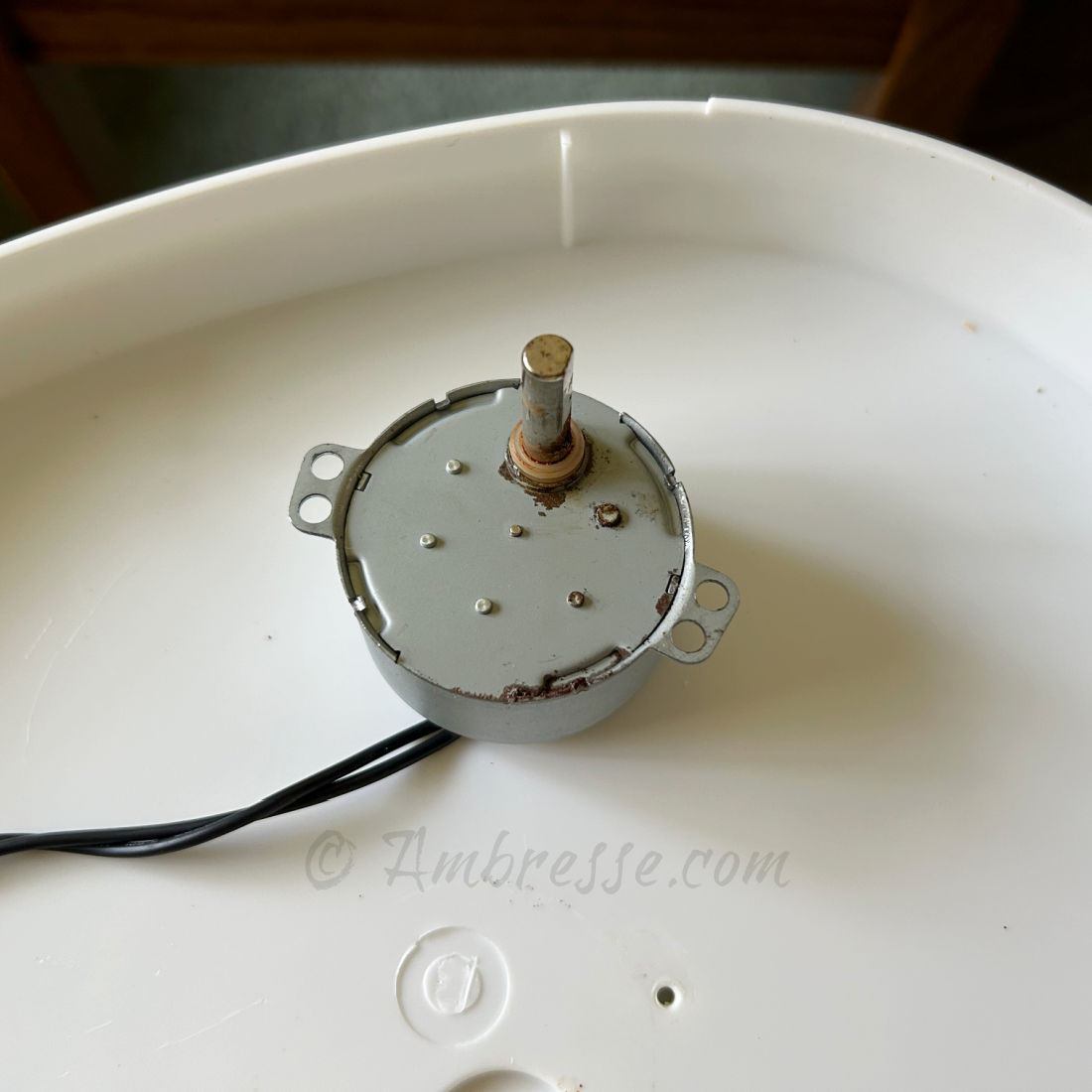
If you like, you can also easily detach the egg turner motor from the base by removing a total of 7 screws with a Phillip's head screwdriver.
- The bottom plate is secured with 4 screws - remove them and the base plate.
- The motor is attached with 2 screws - remove them.
- The motor wires are affixed to the base with a single screw - remove it, and the entire motor can be removed.
The plastic parts of the base can then be thoroughly cleaned without worrying about the electric components.
- The base of the incubator can easily be washed with detergent and water, removing any organic matter.
- The upper section of the incubator has all the electronic parts permanently installed. For these, use a very mild bleach/water solution to wipe down every surface you can reach, removing as much of the dust and down that can be reached.
The bleach will kill most of any bacteria, and the eggs in the subsequent hatch should do very well.
Re-assembly is simple. Re-install the turning motor and the the wire clasps.
Now the incubator is ready for the next batch of hatching eggs.
Get a Nurture Right 360 Incubator
Sources for the Nurture Right 360 Incubator:
- Get a NR360 Incubator at Amazon.com (ad)
- Get one through the MannaPro website.
(Ambresse.com receives no remuneration for sharing this link.) - FB Marketplace or other marketing avenue such as eBay.
Check our Review of the Maticoopx 30 Egg Incubator, another popular tabletop incubator model!
American Bresse Chickens are not yet accredited by the American Poultry Association, but breeders have an eye on the process. Consider a membership in the APA.
Overheard...
Tasty Recipe! "I processed my first batch of Bresse... Today I roasted one according (somewhat) to the recipe posted on Ambresse. It was delicious! Tender, moist and succulent... So happy I chose this breed!" (B.E., MN, 12/11/2024).
Success: "I can't believe all the inquiries we get through your website. And it's been a great resource to send people to who are interested in the (AB) breed" (Utangard Farm, NH, 5/5/2025).
Informational: "Your site has the first accurate information about American Bresse chickens that I have seen in English. Thanks for your diligent work" (L. Wooton, NC, 12/17/2024).
Overheard...
"I processed my first batch of Bresse... Today I roasted one according (somewhat) to the recipe posted on Ambresse. It was delicious! Tender, moist and succulent... So happy I chose this breed! (B.E., MN, 12/11/2024).
"Your site has the first accurate information about American Bresse chickens that I have seen in English. Thanks for your diligent work" (L. Wooton, NC, 12/17/2024).
Our Local Partner

Hope Rising Microgreens grows and supplies ultra-fresh nutritious microgreens to the communities on the North Olympic Peninsula in WA.
Translate This Page
Traduire Cette Page
Traduzca Esta Pagina

News
August 2026:
The American Bresse Club is taking shape! The linked website is in beta mode; would you like more info or to help test its functions? Yes? Click the link above. (Beta testing is free!)
For now, Ambresse is still hosting the American Bresse Club web pages (linked here and on the navigation bar).
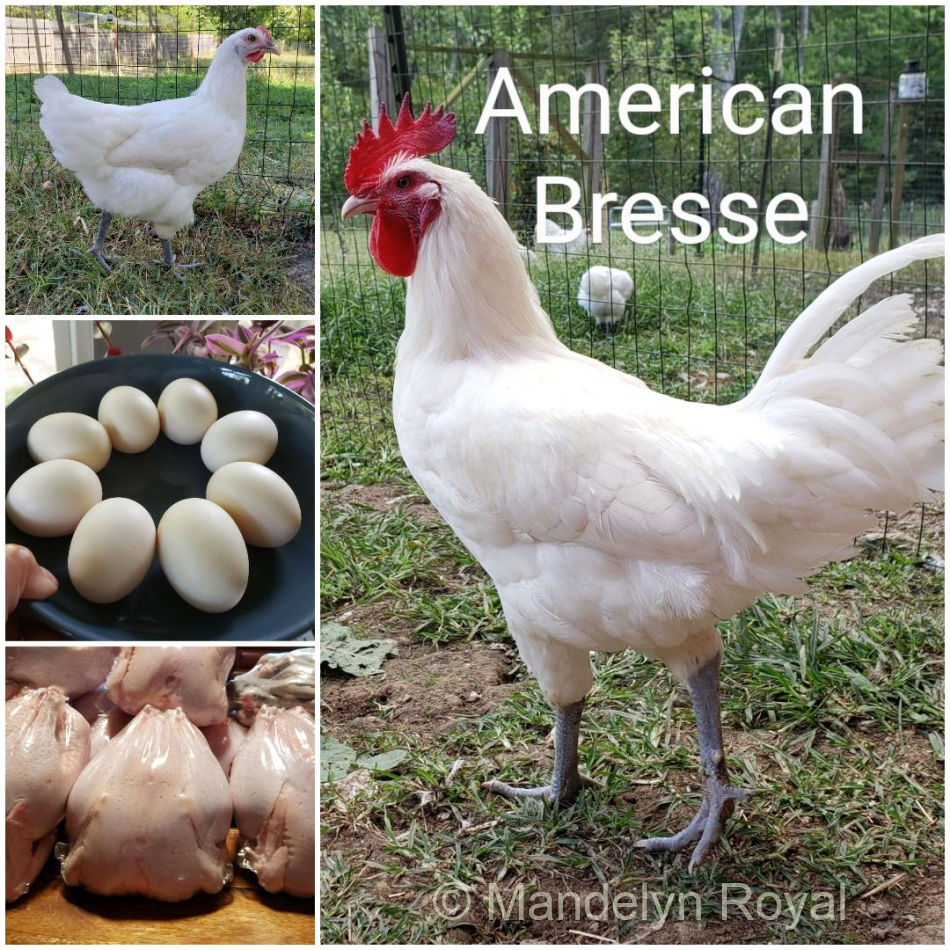
Photo credit: Mandelyn Royal.
Copyright © 2021-2026 Ambresse.com. All rights reserved.
403 S. Lincoln St., Suite 4, PMB 5, Port Angeles, WA 98362-3025
Privacy Policy | Disclaimer | Ambresse Acres | About Ambresse.com | Contact Us | Website Map

This website focuses on the American Bresse Chicken, along with other chicken-related topics. Due to the protections given by France to the Bresse breed, it is important to consistently differentiate when necessary between the Bresse chicken breed of France and North American chickens of direct French Bresse descent. For this reason, we call them American Bresse chickens, repetitively, throughout the website. You might notice that this can start to feel clunky at times. So, in order to write more fluidly, we also use a couple contracted terms to reference American Bresse chickens: “Am Bresse,” or ABC (American Bresse Chickens). Our keystrokes spell out ABC or Am Bresse, but our heads see American Bresse. We hope you will see the same.